

Why Are My Eyebrows Peeling After Semi Permanent Brows or Microblading? Understanding the Healing Process
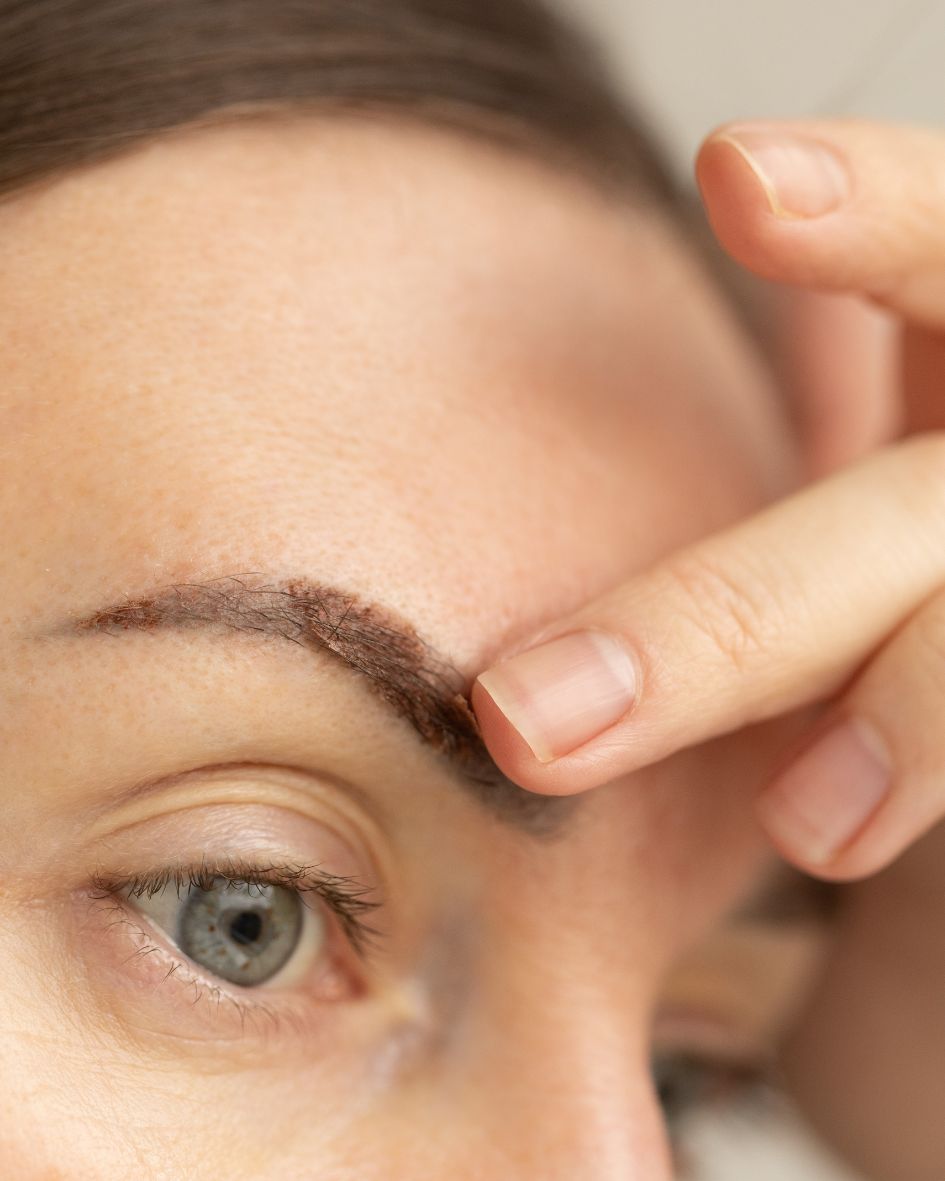 If you’ve recently had microblading or any other permanent makeup brow treatment, you may notice your eyebrows starting to peel or flake a few days later. This can be a little worrying if you weren’t expecting it,but don’t panic! Peeling is a completely normal part of the skin’s wound healing process and a sign that your skin is repairing itself.
Let’s break down what’s happening and why it’s important to let your skin heal naturally.
The Skin Healing Process After Permanent Makeup
When you have a microblading or ombre brow treatment, tiny, controlled wounds are created in the skin using a fine needle or blade to implant pigment. Just like with any wound, your body immediately begins to repair itself through a natural healing process that takes place in several stages:
The Inflammatory Phase (Days 1–3)
Right after your treatment, your body recognises the area as a minor injury. You may experience some redness, tenderness, and a light clear fluid that forms a thin protective layer (a very mild scab). This phase helps protect your skin from infection while your immune system begins to repair the area.
The Proliferation Phase (Days 4–10)
This is when you’ll start to notice peeling or flaking. The surface layer of your skin (the epidermis) starts to shed as new skin cells form underneath. The pigment may appear lighter or patchy during this time, but don’t worry—this is completely normal.
It’s essential not to pick or scratch at the peeling skin. Pulling off flakes prematurely can remove pigment that’s still settling into the skin and affect your final healed result.
The Maturation Phase (Weeks 3–6)
As your skin continues to renew itself, the colour will begin to even out and soften into its true shade. The skin barrier is now fully restored, and your brows should look more natural and settled. This is why your touch-up appointment is usually scheduled around 6–8 weeks later—so your artist can perfect any areas that healed unevenly.
Why Peeling Happens
Peeling is simply your skin’s way of shedding dead cells and rebuilding a fresh, healthy layer over the pigment. The tiny incisions made during microblading trigger your body’s healing response, just like it would with a small cut or graze.
Think of it as your body doing a bit of housekeeping—removing the old, damaged skin to reveal new, healed skin beneath.
How to Care for Peeling Brows
To support your healing and protect your new brows:
-
Keep the area clean and dry – Avoid getting your brows wet in the first few days unless your artist has advised gentle cleansing.
-
Don’t pick or scratch – Let any flakes fall away naturally. Picking can lead to patchy pigment or even scarring.
-
Avoid heavy creams or oils – Only use aftercare products recommended by your artist.
-
Stay out of the sun and avoid saunas or swimming – Heat, sweat, and UV light can all interfere with healing and pigment retention.
-
Be patient – The healing process takes time. It can take several weeks for your brows to reach their final colour.
When to Contact Your Artist
Some mild peeling, flaking, or itching is completely normal. However, if you notice excessive redness, swelling, oozing, or signs of infection, contact your artist or a medical professional for advice.
Final Thoughts
Peeling after microblading or any permanent makeup brow treatment is a perfectly natural part of the healing process. It’s your skin’s way of renewing itself and protecting the freshly implanted pigment. With the right aftercare and a little patience, your brows will heal beautifully, revealing soft, defined, and long-lasting results.
Visit my instagram for more information on your semi permanent makeup journey