
Tel: 07976 589068

Why “Natural” Permanent Makeup Isn’t Always What You Think

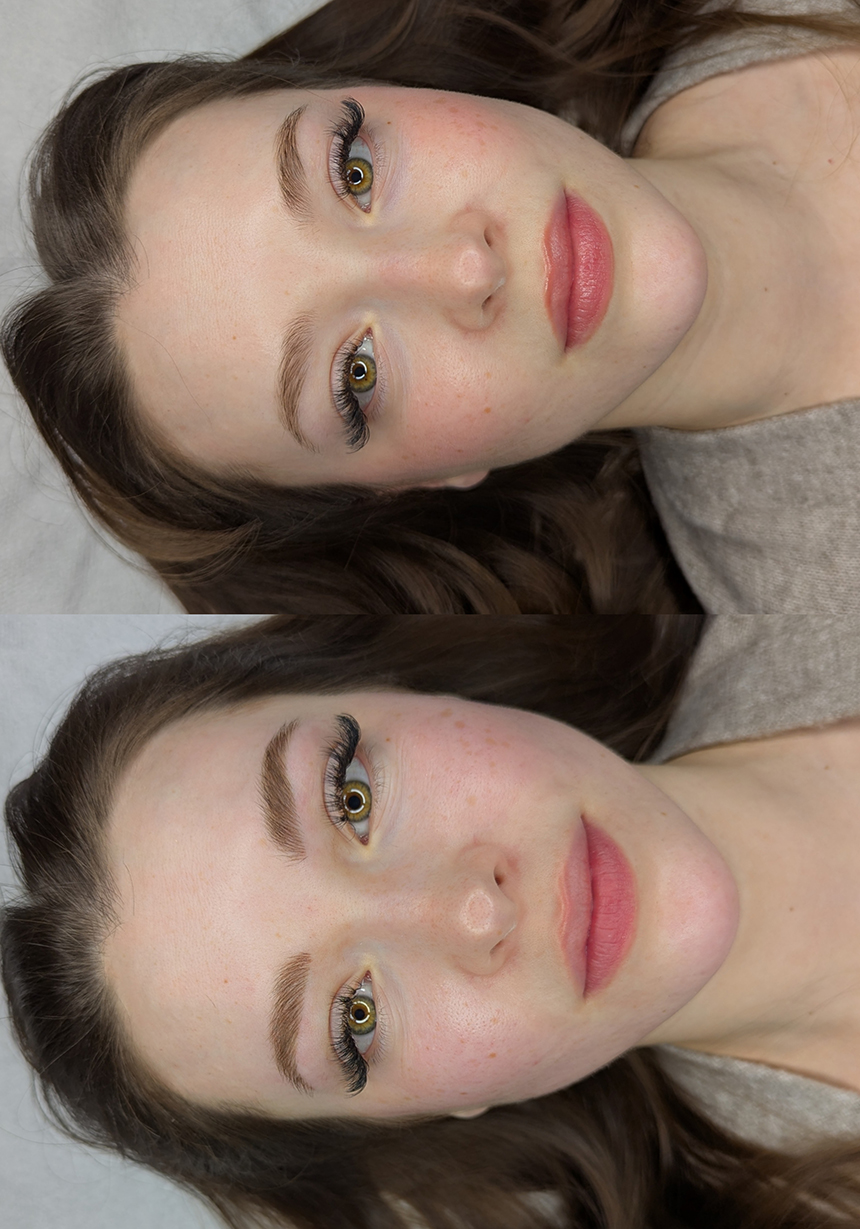
Natural Nano BrowsIf you’ve been researching permanent makeup, you’ve likely seen the word natural used everywhere. Natural brows, natural lips, natural results.

It sounds reassuring, and it should be. But in reality, “natural” has become one of the most overused and misunderstood terms in the industry.

Not everything labelled as natural will actually look natural once it’s healed.

The Problem With Following Trends

Permanent makeup trends change quickly. Over the years, we’ve seen everything from heavy, block-style brows to ultra-light pigment that fades within months.

The issue is, your face isn’t a trend.

What suits you should never be based on what’s currently popular online. It should be based on your individual features, your skin, your colouring, and how pigment settles over time.

Chasing trends often leads to results that either feel too much, or not quite enough.

What “Natural” Should Really Mean

Natural permanent makeup isn’t about making something invisible. It’s about balance.

Brows should frame your face without dominating it. Lip colour should restore tone and definition without looking obvious.

The overall result should feel like you, just more refined and put together.

When it’s done well, people don’t immediately notice the treatment. They notice that you look fresher, more balanced, and more confident.

Technique Is Everything

One of the biggest factors in achieving natural results is technique.

It’s not just about how something looks on the day, but how it heals.

Depth, pigment choice, placement, and pressure all affect how colour settles into the skin. Done well, it fades softly and evenly. Done poorly, it can blur, become too heavy, or shift in tone.

This is where experience really shows.

It’s Not Just About the Treatment

A good result starts long before the treatment itself.

It comes from understanding your skin, your features, and your expectations. It’s knowing when to build gradually rather than doing too much in one session.

Subtle, well-placed pigment will always age better than anything heavy-handed.

The Quiet Confidence Effect

The feedback I hear most often isn’t about compliments. It’s quieter than that.

Clients tell me they feel more like themselves. That they don’t have to think about their makeup anymore. That they just feel more put together.

That’s what good permanent makeup should do.

It fits into your life without demanding attention.

Final Thoughts

If you’re considering permanent makeup, take a step back from trends and marketing.

Look for consistency in healed results. Choose someone who works with your features, not against them. Focus on an outcome that will still feel right months and years down the line.

Because real “natural” isn’t about what’s popular.

It’s about what lasts, heals well, and still feels like you.

For natural results Look here


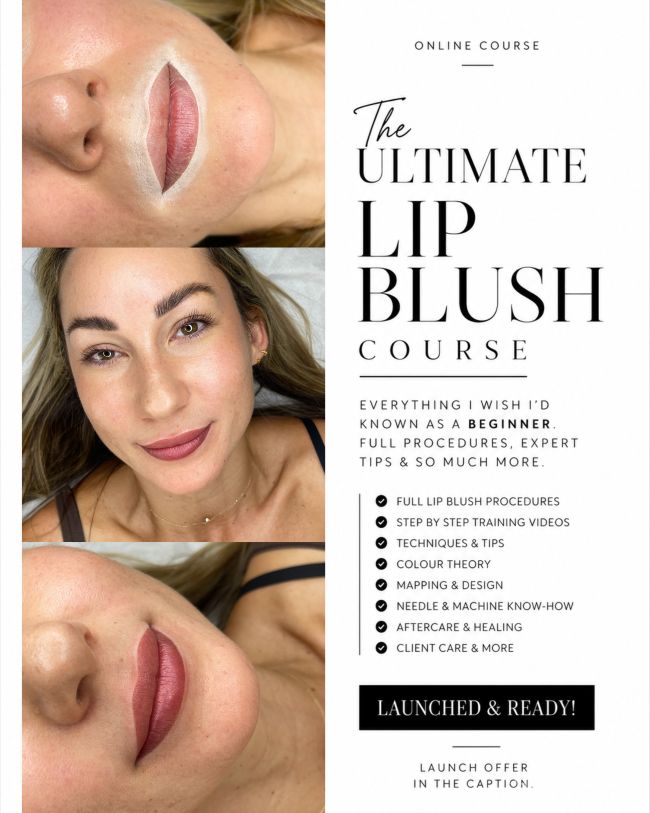
Beginner Lip Blush Training Now Available

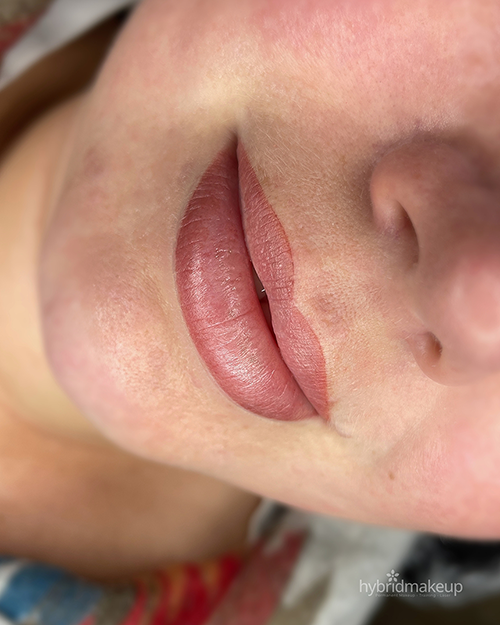
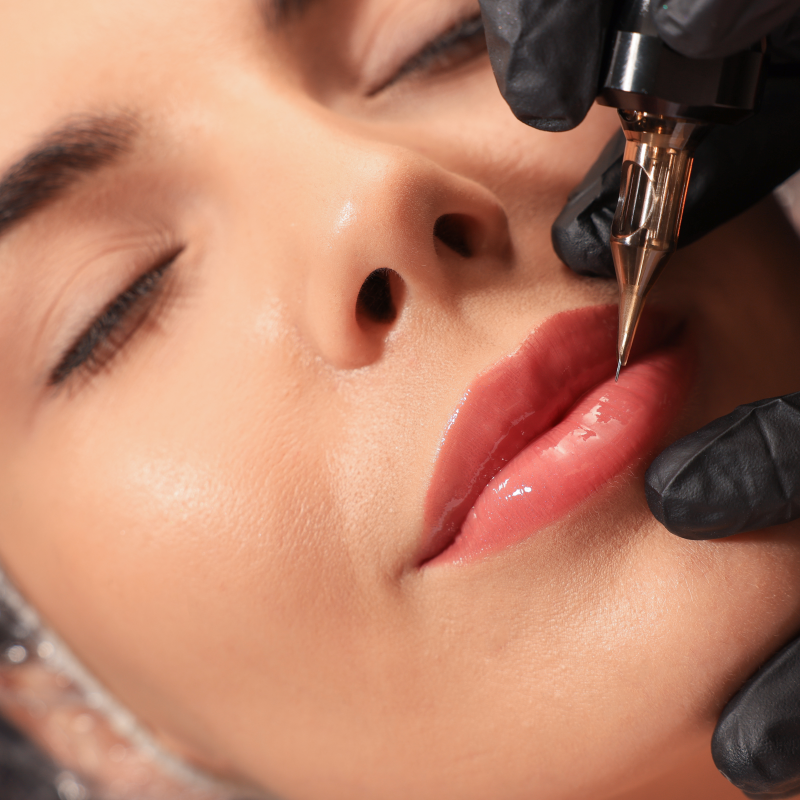
Ombre lip blushLip blush is one of the most in-demand treatments in permanent makeup, offering soft, natural colour enhancement and improved lip definition. With the growing popularity of this treatment, high-quality training has never been more important. Beginner lip blush training is now available for those looking to enter the industry with a strong, safe, and confident foundation.

With over 8 years of experience in permanent makeup and more than 20 years in the beauty industry, this training has been carefully designed to address the gaps that often exist in beginner education. Many artists start their careers feeling underprepared, lacking both technical confidence and a true understanding of skin, colour, and technique. This course aims to change that by providing thorough, structured, and supportive learning from the very beginning.

The training covers all essential theory, including skin anatomy, colour theory, lip morphology, contraindications, consultation, consent, and aftercare. A strong emphasis is placed on understanding pigments, how they heal in the lips, and how to select and modify colour correctly for different skin tones. This is supported by in-depth practical guidance, allowing students to build skill progressively rather than rushing through techniques.

With a background in art and design and a degree in graphic design, particular focus is placed on symmetry, balance, and colour harmony. Students are taught to assess lip shape carefully and to work with natural structure, creating soft, well-balanced results that heal beautifully.

This beginner course is suitable for those new to permanent makeup and is structured to build confidence step by step. Students learn not only how to perform the treatment, but also why each step is carried out, helping them develop safe, thoughtful working habits from the start.

The training includes:

• Full lip blush theory, including skin, colour theory, contraindications and healing
• Pigment selection and colour modification for different skin tones
• Machine control, needle choice, depth, pressure and stretch
• Lip mapping, symmetry and border control
• Practical lip blush technique with structured guidance
• Consultation skills, consent, and managing client expectations
• Aftercare, healing stages and top up planning
• Realistic discussion of common challenges and how to avoid mistakes

This course forms part of a wider commitment to raising standards within the permanent makeup industry. Having experienced poor-quality training in the past, the aim is to offer education that is honest, thorough and supportive, helping new artists build confidence and a solid technical foundation.

Training takes place in a professional studio environment, with a calm and focused atmosphere that allows students to learn without pressure. Ongoing guidance and mentoring are also available after the course.

Course Prospectus and Booking Enquiries

For full course details, dates, and to request the beginner lip blush training prospectus, please email:

You will receive full information on course structure, entry requirements, and how to secure your place.

Powder Brows vs Microblading: Which Treatment Is Right for You?

PowderormicrobladingChoosing the right brow treatment can feel confusing when there are so many terms and techniques to navigate. Two of the most popular options in permanent makeup are

This guide will help you understand the differences, so you can make the best decision for your brows.

Wht Are Powder Brows?

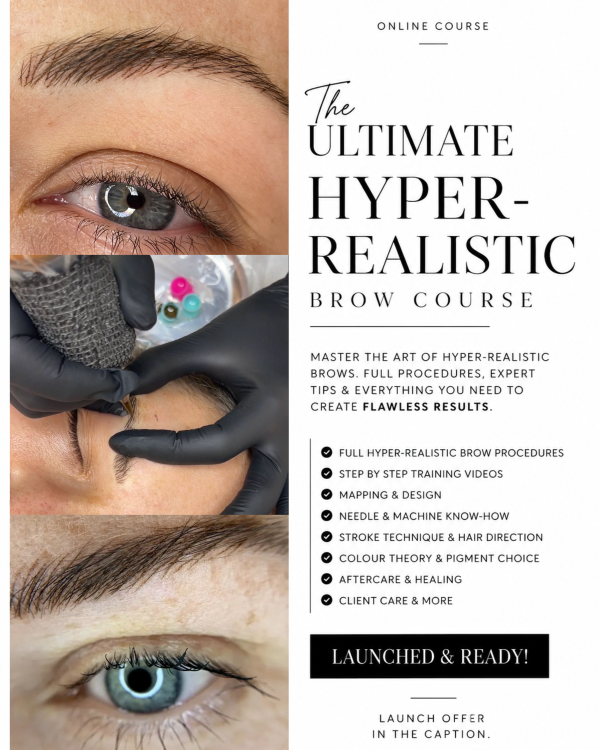
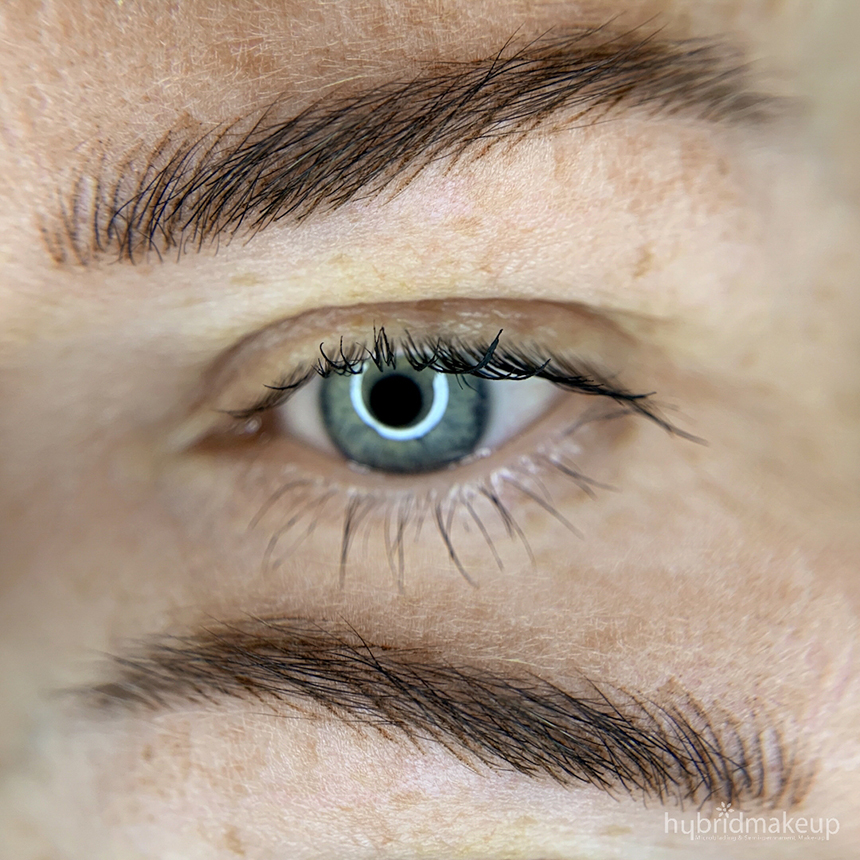
Powder brows (also commonly referred to as ombré or shaded brows) create a soft, misted finish that resembles a light brow makeup look. Rather than individual hair strokes, the pigment is gently layered into the skin to build a soft shaded effect.

Why clients love powder brows:

  • They are gentler on the skin, making them especially suitable for mature or sensitive skin.

  • They offer longer-lasting results with less fading.

  • They require minimal maintenance in comparison to microblading.

  • They are ideal for those who prefer a defined yet soft brow.

This technique is perfect for anyone looking for a polished, fuller brow appearance that stays consistent over time.


What Is Microblading?

Microblading uses a fine handheld tool to create delicate, hair-like strokes that mimic the appearance of natural brow hairs. This technique is best suited to dry to normal skin types, as oiliness can cause the fine strokes to blur more quickly.

Why clients choose microblading:

  • It offers a natural, hair-like look.

  • Ideal for those with sparse or thin brows who want to maintain softness.

  • Helps subtly enhance shape and fullness without a “makeup” finish.

However, due to the nature of the technique, microblading may require more frequent top-ups to keep the strokes defined over time.

Which Treatment Should You Choose?

Powder Brows may be best if:

  • Your skin is mature, oily, or sensitive.

  • You prefer a soft makeup-style brow.

  • You want longer-lasting results with minimal fading.

Microblading may be best if:

  • Your skin is dry to normal.

  • You love a natural, hair-stroke effect.

  • Your brows are naturally sparse and you want a subtle enhancement.

No two brows are the same, so the ideal choice will depend on your lifestyle, skin type, and the style of brow you love most. During your consultation, we’ll review your skin and preferences to decide which method will give you the most flattering and sustainable result.


Current Availability & Training Courses

I am now booking February, with very limited spaces remaining. If you’d like to secure an appointment, early booking is recommended.

I also have one appointment left in Wales this January.

For those considering a career in permanent makeup, my next Beginner Permanent Makeup Course commences in March. This course is designed to offer in-depth training, guidance, and real support to help new artists build confidence and skill from the very beginning.

Ready to take the next step?

Whether you're looking to enhance your brows or begin your PMU career, I’d love to help.

Vist my instagram for more information


Why Are My Eyebrows Peeling After Semi Permanent Brows or Microblading? Understanding the Healing Process

Microblading peelingIf you’ve recently had microblading or any other permanent makeup brow treatment, you may notice your eyebrows starting to peel or flake a few days later. This can be a little worrying if you weren’t expecting it,but don’t panic! Peeling is a completely normal part of the skin’s wound healing process and a sign that your skin is repairing itself.

Let’s break down what’s happening and why it’s important to let your skin heal naturally.

The Skin Healing Process After Permanent Makeup

When you have a microblading or ombre brow treatment, tiny, controlled wounds are created in the skin using a fine needle or blade to implant pigment. Just like with any wound, your body immediately begins to repair itself through a natural healing process that takes place in several stages:

The Inflammatory Phase (Days 1–3)

Right after your treatment, your body recognises the area as a minor injury. You may experience some redness, tenderness, and a light clear fluid that forms a thin protective layer (a very mild scab). This phase helps protect your skin from infection while your immune system begins to repair the area.

The Proliferation Phase (Days 4–10)

This is when you’ll start to notice peeling or flaking. The surface layer of your skin (the epidermis) starts to shed as new skin cells form underneath. The pigment may appear lighter or patchy during this time, but don’t worry—this is completely normal.
It’s essential not to pick or scratch at the peeling skin. Pulling off flakes prematurely can remove pigment that’s still settling into the skin and affect your final healed result.

The Maturation Phase (Weeks 3–6)

As your skin continues to renew itself, the colour will begin to even out and soften into its true shade. The skin barrier is now fully restored, and your brows should look more natural and settled. This is why your touch-up appointment is usually scheduled around 6–8 weeks later—so your artist can perfect any areas that healed unevenly.

Why Peeling Happens

Peeling is simply your skin’s way of shedding dead cells and rebuilding a fresh, healthy layer over the pigment. The tiny incisions made during microblading trigger your body’s healing response, just like it would with a small cut or graze.

Think of it as your body doing a bit of housekeeping—removing the old, damaged skin to reveal new, healed skin beneath.

How to Care for Peeling Brows

To support your healing and protect your new brows:

  • Keep the area clean and dry – Avoid getting your brows wet in the first few days unless your artist has advised gentle cleansing.

  • Don’t pick or scratch – Let any flakes fall away naturally. Picking can lead to patchy pigment or even scarring.

  • Avoid heavy creams or oils – Only use aftercare products recommended by your artist.

  • Stay out of the sun and avoid saunas or swimming – Heat, sweat, and UV light can all interfere with healing and pigment retention.

  • Be patient – The healing process takes time. It can take several weeks for your brows to reach their final colour.

When to Contact Your Artist

Some mild peeling, flaking, or itching is completely normal. However, if you notice excessive redness, swelling, oozing, or signs of infection, contact your artist or a medical professional for advice.

Final Thoughts

Peeling after microblading or any permanent makeup brow treatment is a perfectly natural part of the healing process. It’s your skin’s way of renewing itself and protecting the freshly implanted pigment. With the right aftercare and a little patience, your brows will heal beautifully, revealing soft, defined, and long-lasting results.

Visit my instagram for more information on your semi permanent makeup journey


From Beauty Enthusiast to Permanent Makeup Artist: Is a Career in PMU Right for You?

Beginner permanent makeup training WiltshireHave you ever wondered what it might be like to turn your interest in beauty into a career? Permanent makeup (PMU) is one of the fastest-growing areas of the beauty industry, and more and more people are making the move into this rewarding profession. If you’ve been thinking about a change, but aren’t sure whether it’s for you, this guide might help.

Who is permanent makeup training suited to?

Permanent makeup is ideal for anyone who:

  • Has an eye for detail and enjoys working with precision

  • Loves creativity and design, whether that’s in art, beauty, or anything hands-on

  • Finds satisfaction in helping others feel more confident

  • Wants a flexible career that can fit around family, lifestyle, or personal goals

You don’t need to come from a beauty background, many students start with no experience at all. What matters most is the right mindset: patience, dedication, and the willingness to practise and learn.

Why consider a career in PMU?

  • A growing industry – demand for brows, lips, and eyeliner treatments is higher than ever.

  • Job satisfaction – seeing the difference you can make to someone’s confidence is incredibly rewarding.

  • Flexibility – many artists choose to work for themselves, setting their own hours and pace.

  • Creative freedom – every client’s face is different, giving you the chance to treat each treatment like a unique piece of work.

My approach to beginner training

When I decided to start teaching, my aim was to create the kind of training I wished I had experienced at the start of my own journey. Too many artists leave their first course feeling unsupported or unsure, and I want to change that.

My beginner courses are designed to give you:

  • Solid foundations – covering theory, technique, and practical skills step by step

  • Hands-on learning – real practice, not just watching demonstrations

  • Ongoing support – guidance that continues beyond your training days, so you’re never left feeling alone

  • Confidence to grow – not just as a PMU artist, but as someone building their own future

Could this be the step you’ve been waiting for?

If you’ve been looking for a career where creativity and job satisfaction come together, permanent makeup could be the perfect fit. Whether you’re starting fresh, looking to change direction, or simply ready for something new, beginner training can open the door to a career with real potential.

My courses are now open for booking, with different options available depending on the duration and depth of training you’re looking for.

If you’d like to know more or find out which course might be right for you, please feel free to get in touch, I’ll be happy to talk you through the options.

Message me here